Attention,


948374285724/7 Support Center
Follow Us





Where to Use OPC 33 Cement ?
OPC 33 is ideal for projects requiring moderate strength and a slower setting time, which improves workability and allows for a smoother finish.
Plastering: Its excellent workability makes it suitable for achieving a smooth finish on both interior and exterior walls and ceilings.
Masonry Work: It serves as an effective binding agent for bricklaying and blocklaying in non-load-bearing walls and partitions.
Flooring: Appropriate for basic floor finishes and small-scale, non-structural floor applications.
Plain Cement Concrete (PCC): Suitable for low-strength concrete work such as pathways, mass concreting (like bridge footings), or pavements where the concrete mix grade is M20 or below.
Grouting and Repair: The slower strength gain can be advantageous in certain site restoration and grouting projects.
Low-Rise Residential Buildings: In older construction practices, it was used for low-rise residential buildings where strength demands were lower, but this is less common now.
Where NOT to Use OPC 33 Cement ?
Due to its lower 28-day compressive strength (a minimum of 33 MPa), it is not suitable for applications that require high load-bearing capacity.
Reinforced Cement Concrete (RCC) Structures: It must be avoided in RCC elements, including:
Beams
Columns
Slabs
Foundations
High-Rise Buildings: It cannot provide the necessary strength and durability for multi-story buildings.
Heavy-Duty Infrastructure: Not suitable for large-scale projects such as bridges, dams, highways, or industrial structures, which require 53-grade cement or higher.
Pre-stressed Concrete: Avoid using it for applications where high initial and ultimate strength are critical, like railway sleepers or pre-tensioned elements.


 Grade 43 Cement
 LED Bulb
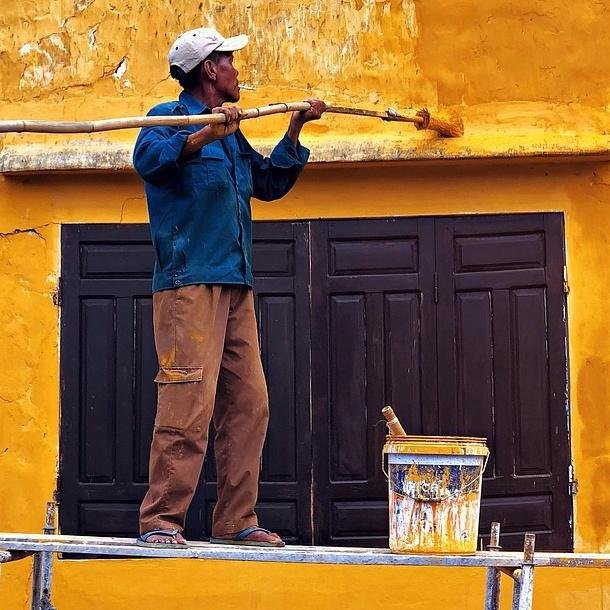 Exterior Paints
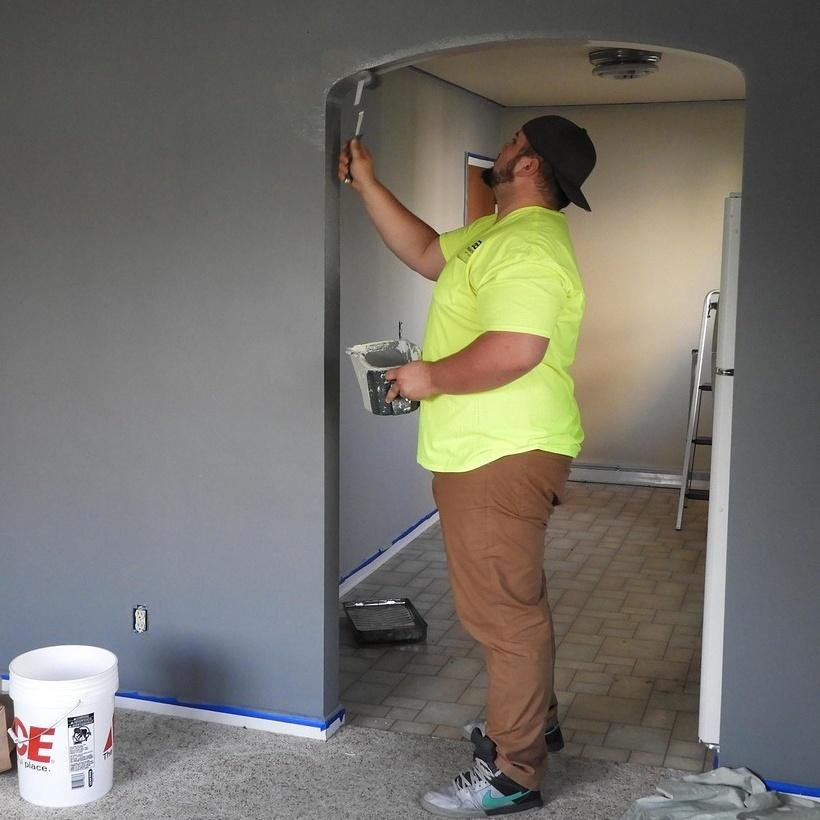 Interior Paints
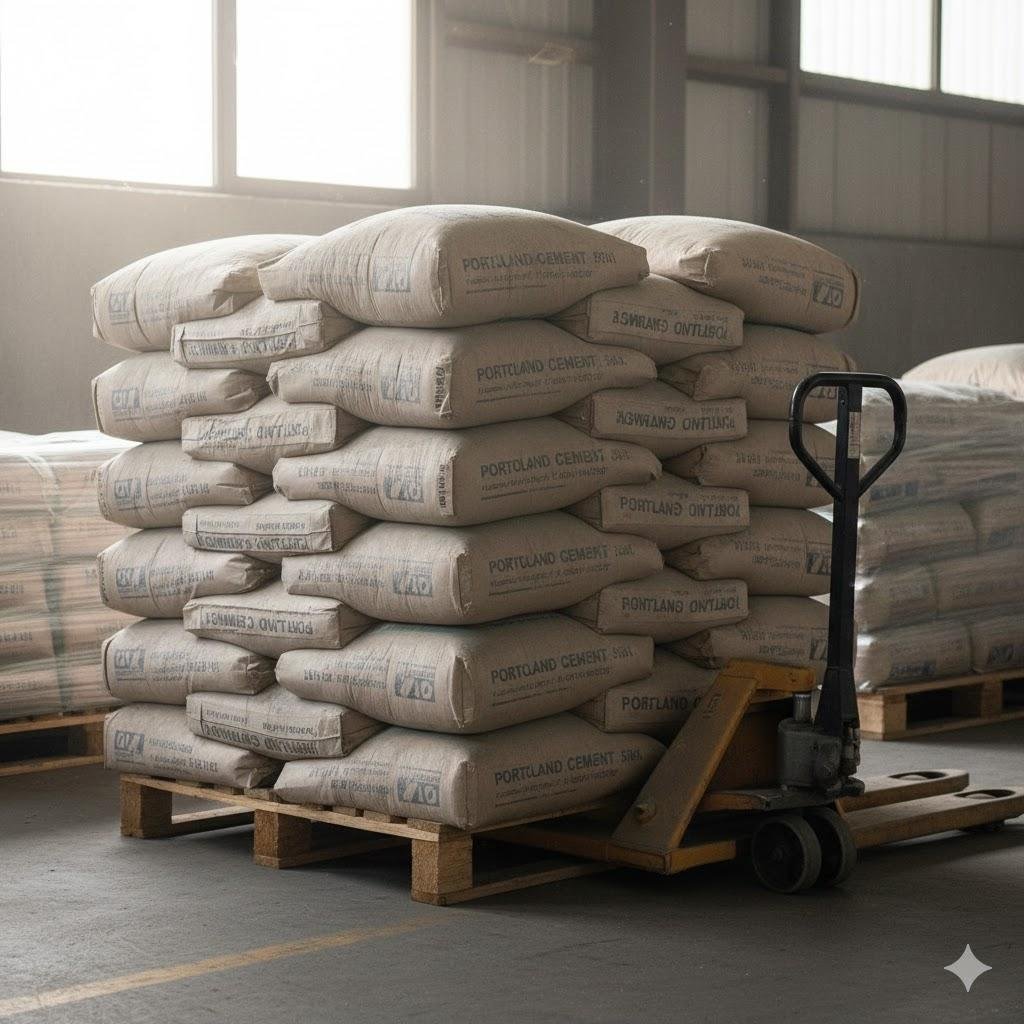 Grade 53 Cement
 Wooden Paints
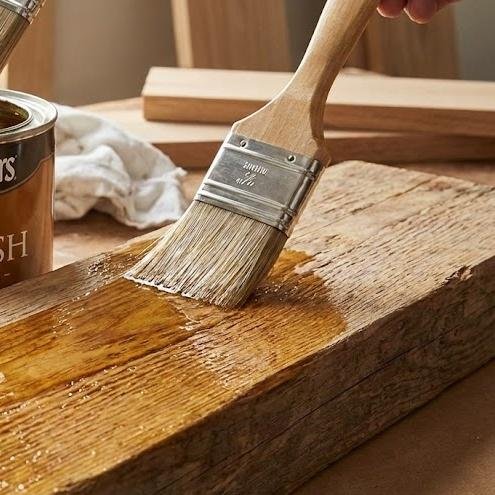 Varnish
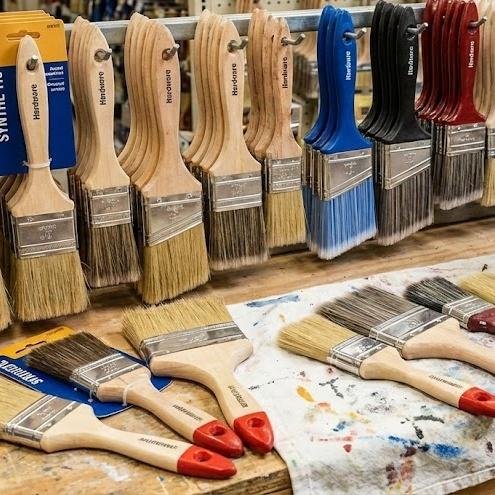 Paint Brush
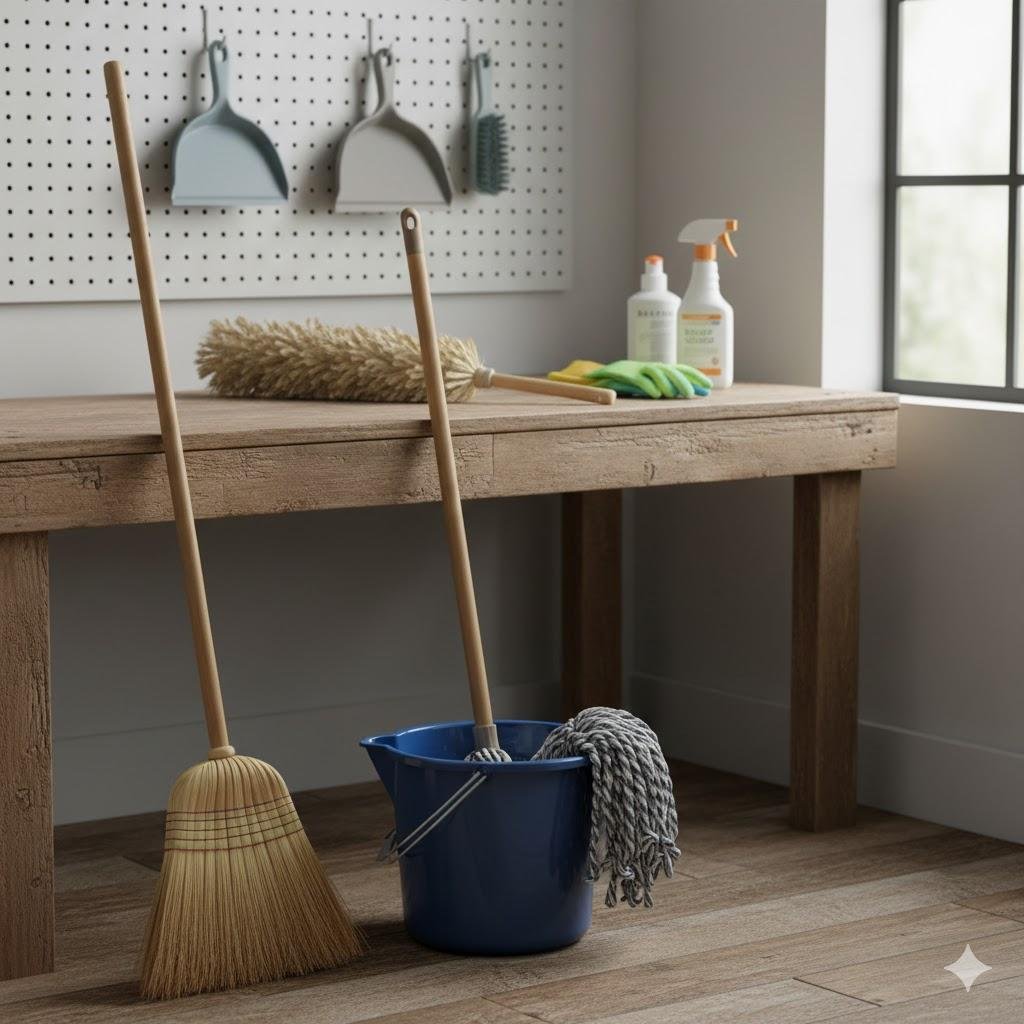 House Utility
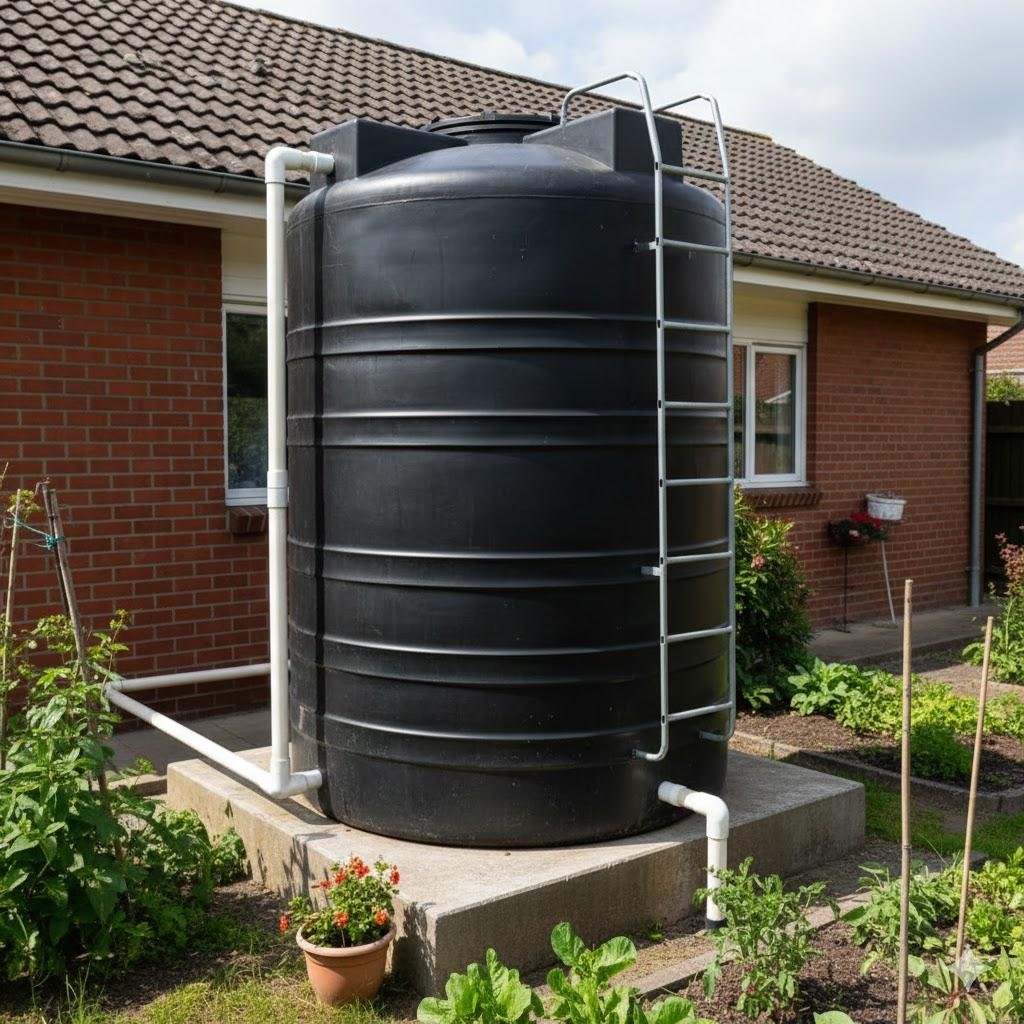 Water Tank
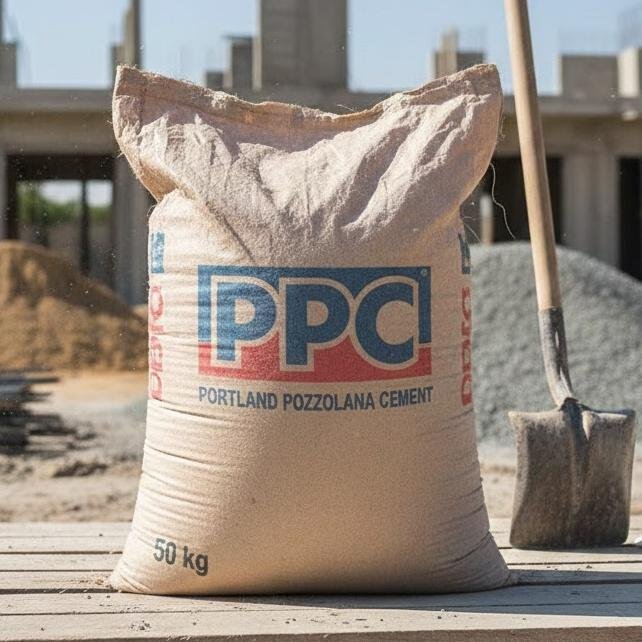 PPC Cement
![Jalli Stone [Gravel]](https://hardwarecargo.com/storage/product-categories/gravel-500x500.jpg) Jalli Stone [Gravel]
Jalli Stone [Gravel]
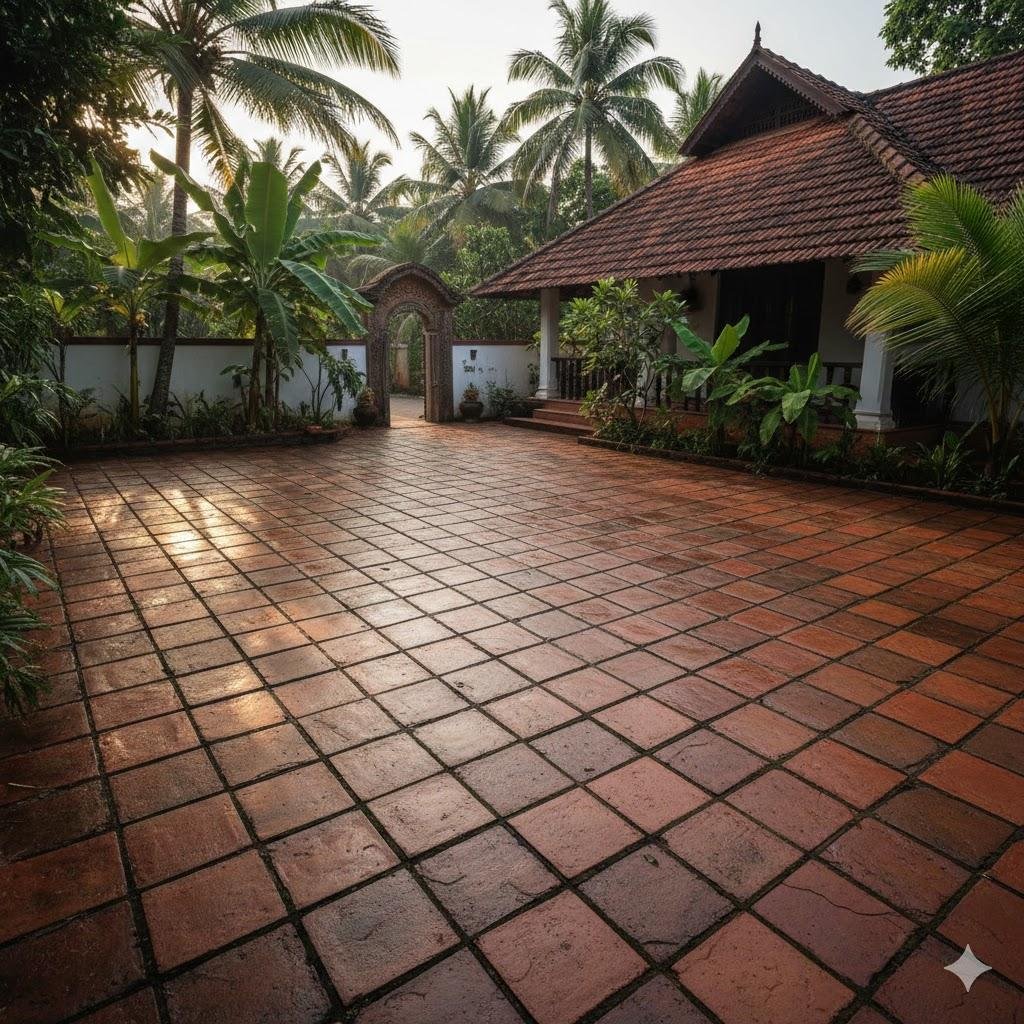 Outdoor Tiles
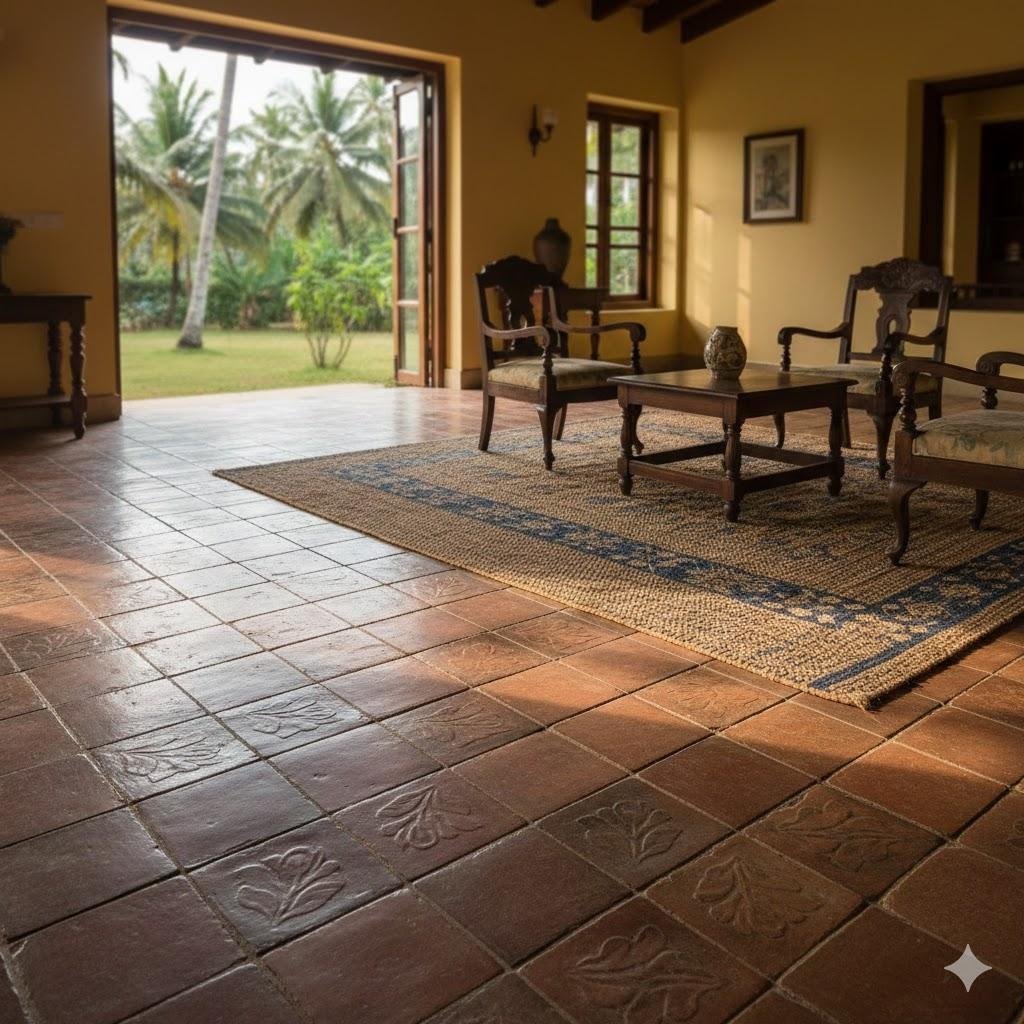 Indoor Tiles
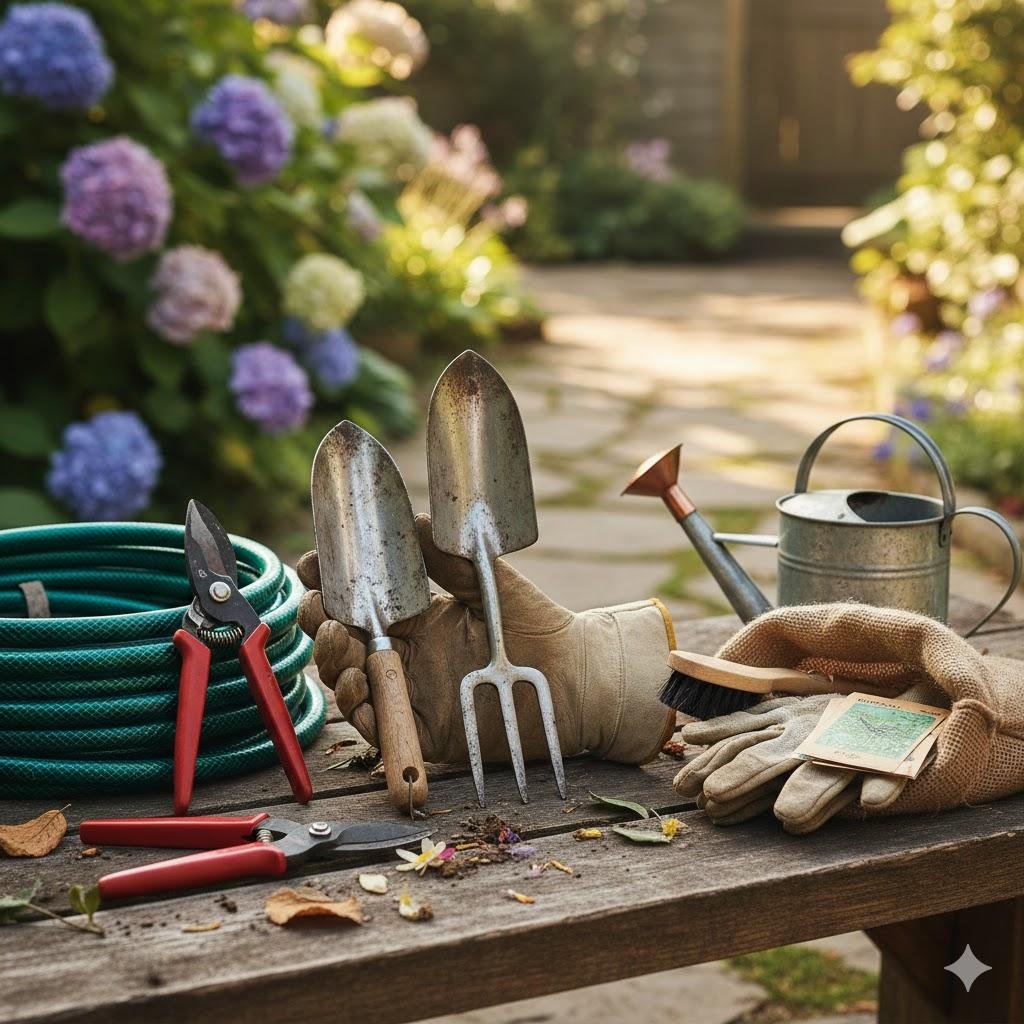 Garden Tools
 Pipe Fittings