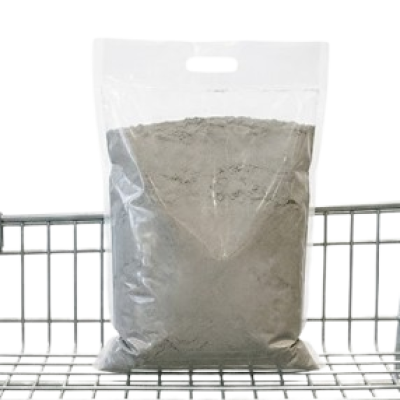


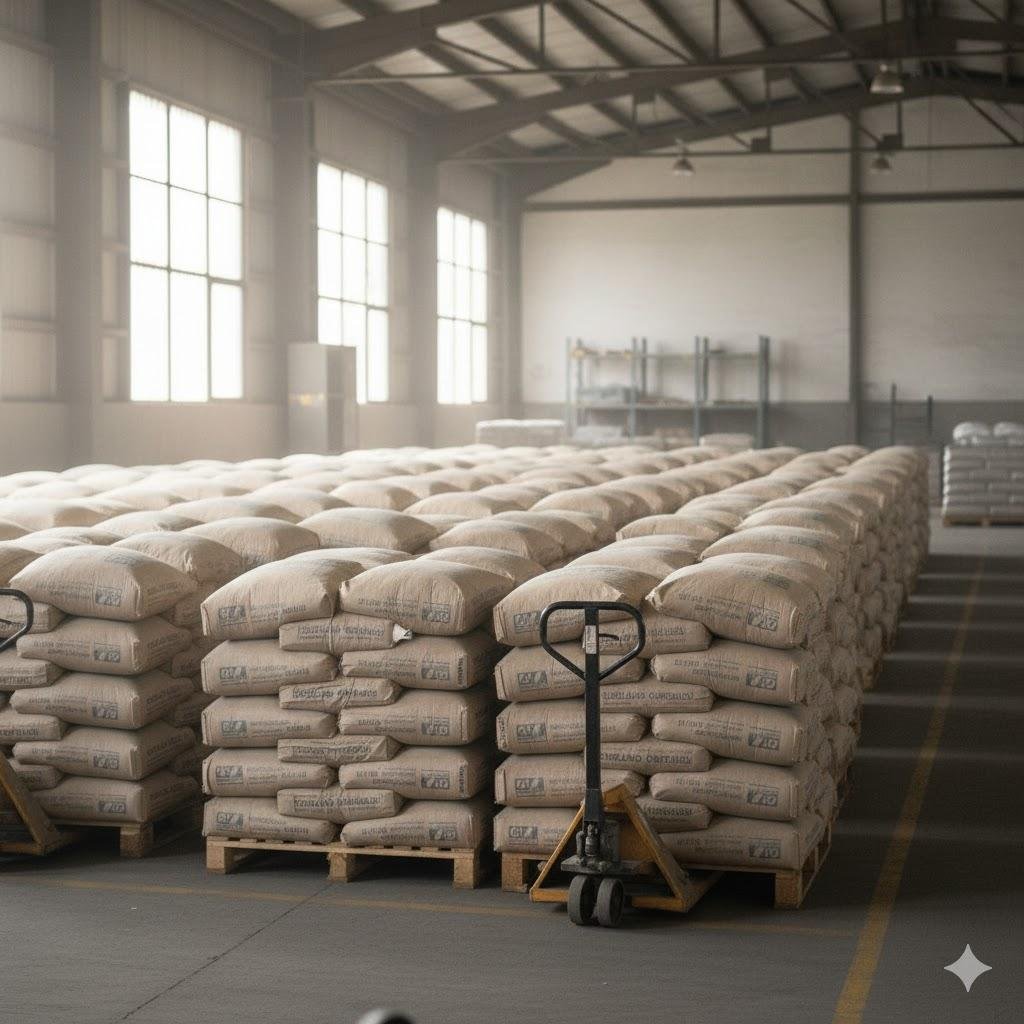
 Grade 43 Cement
 LED Bulb
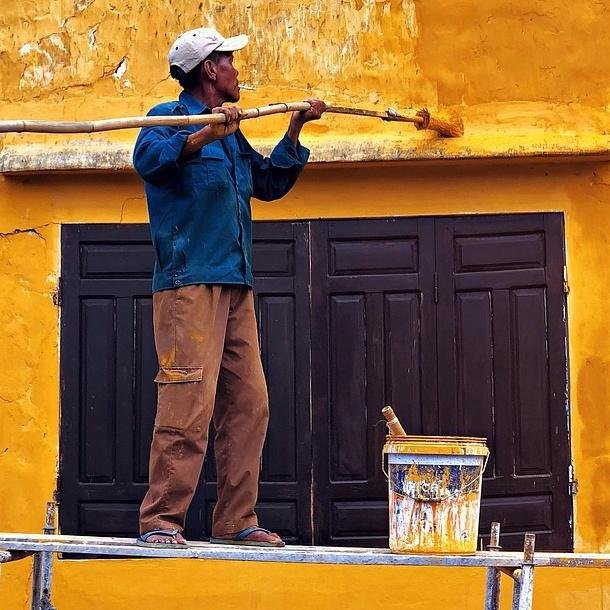 Exterior Paints
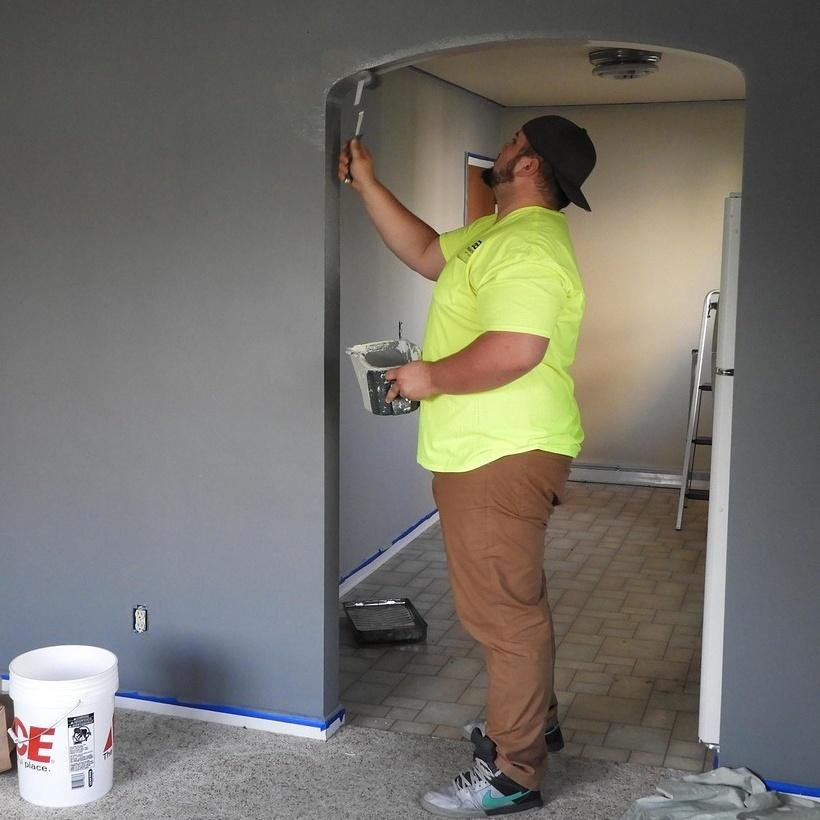 Interior Paints
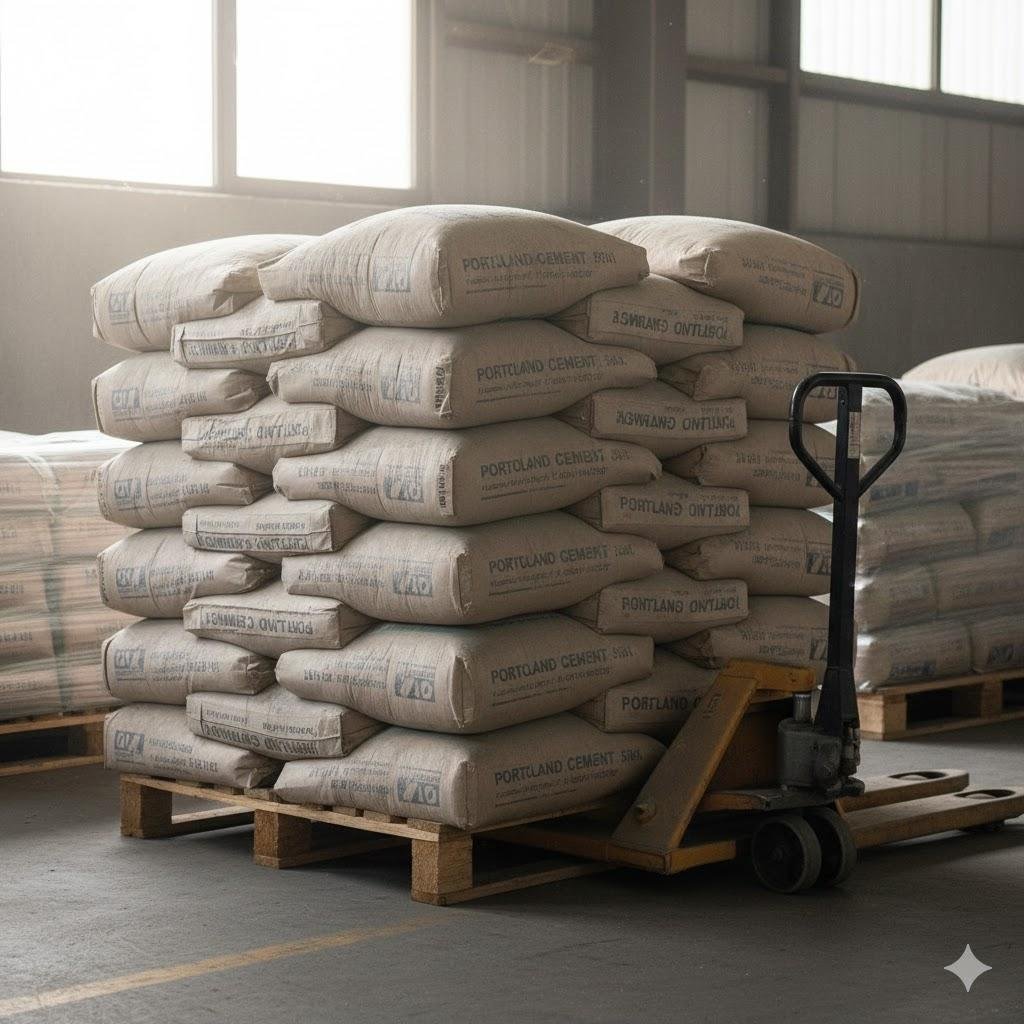 Grade 53 Cement
 Wooden Paints
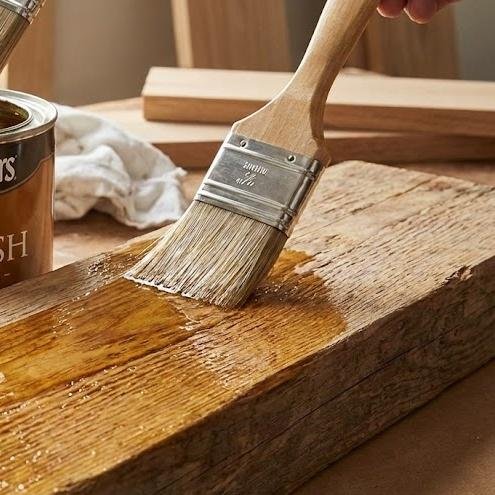 Varnish
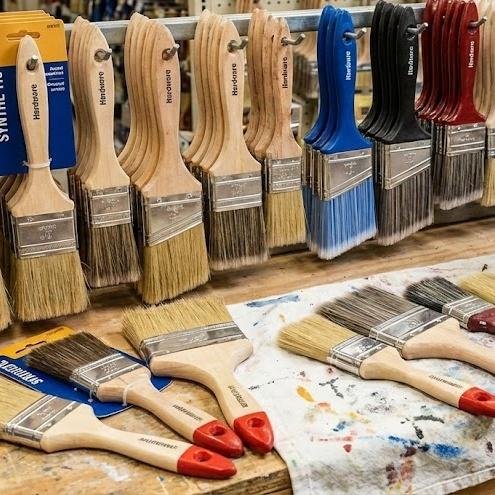 Paint Brush
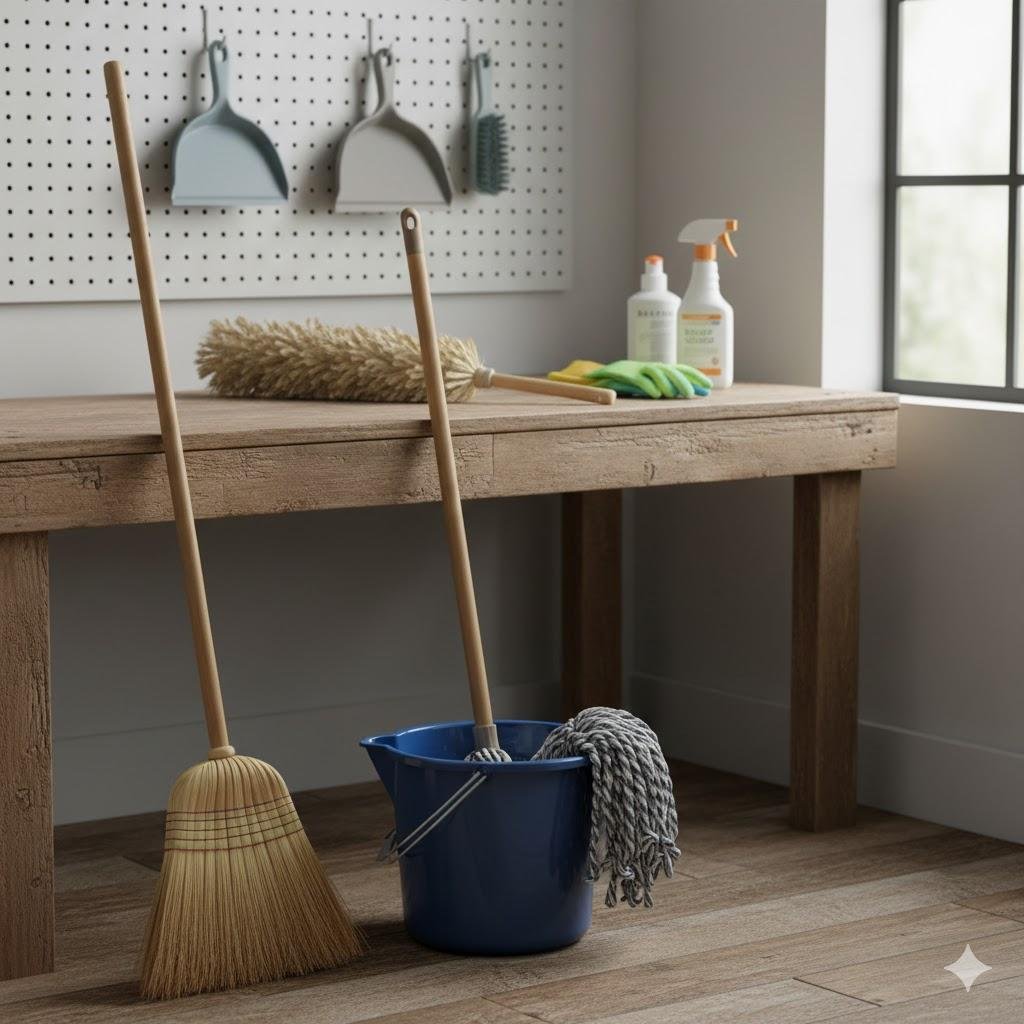 House Utility
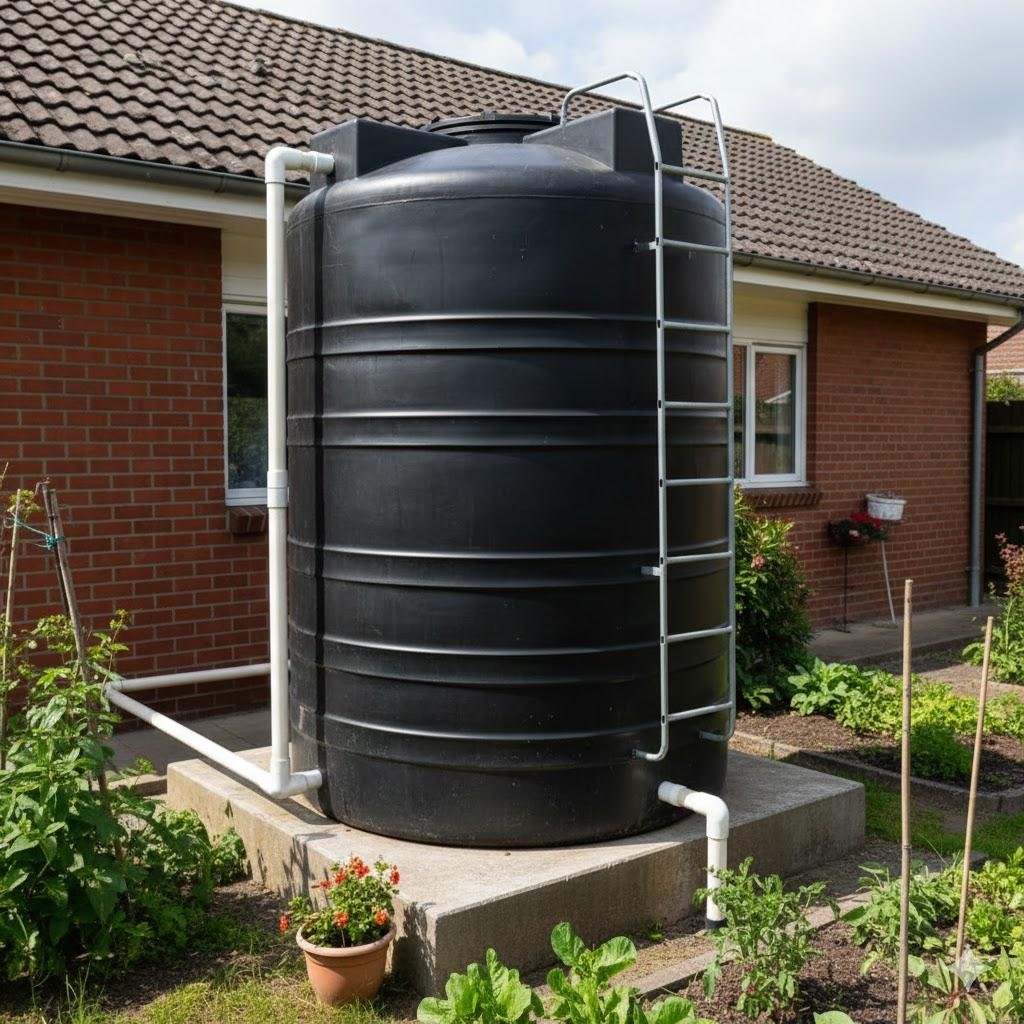 Water Tank
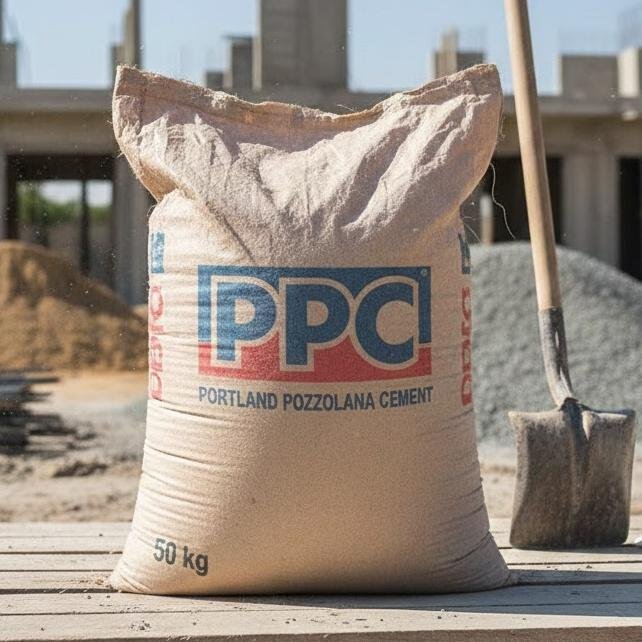 PPC Cement
![Jalli Stone [Gravel]](https://hardwarecargo.com/storage/product-categories/gravel-500x500.jpg) Jalli Stone [Gravel]
Jalli Stone [Gravel]
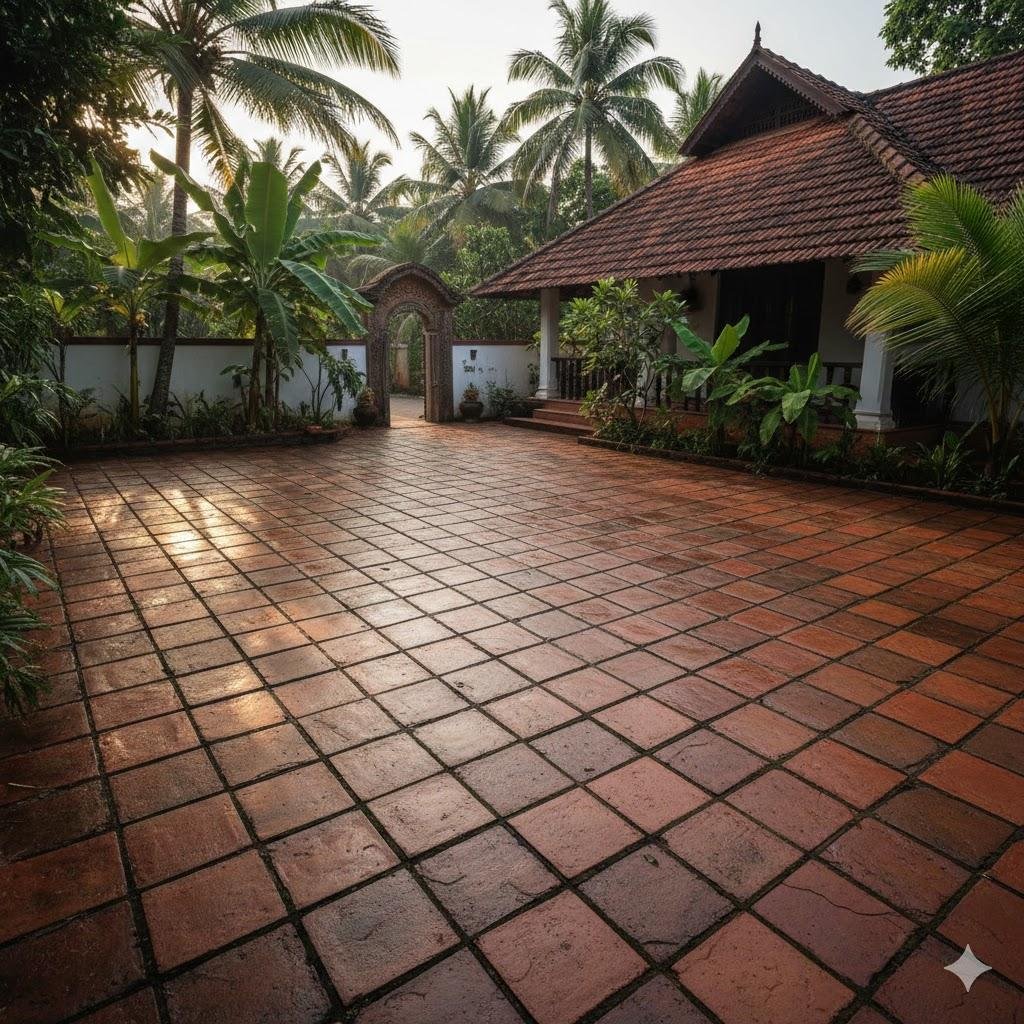 Outdoor Tiles
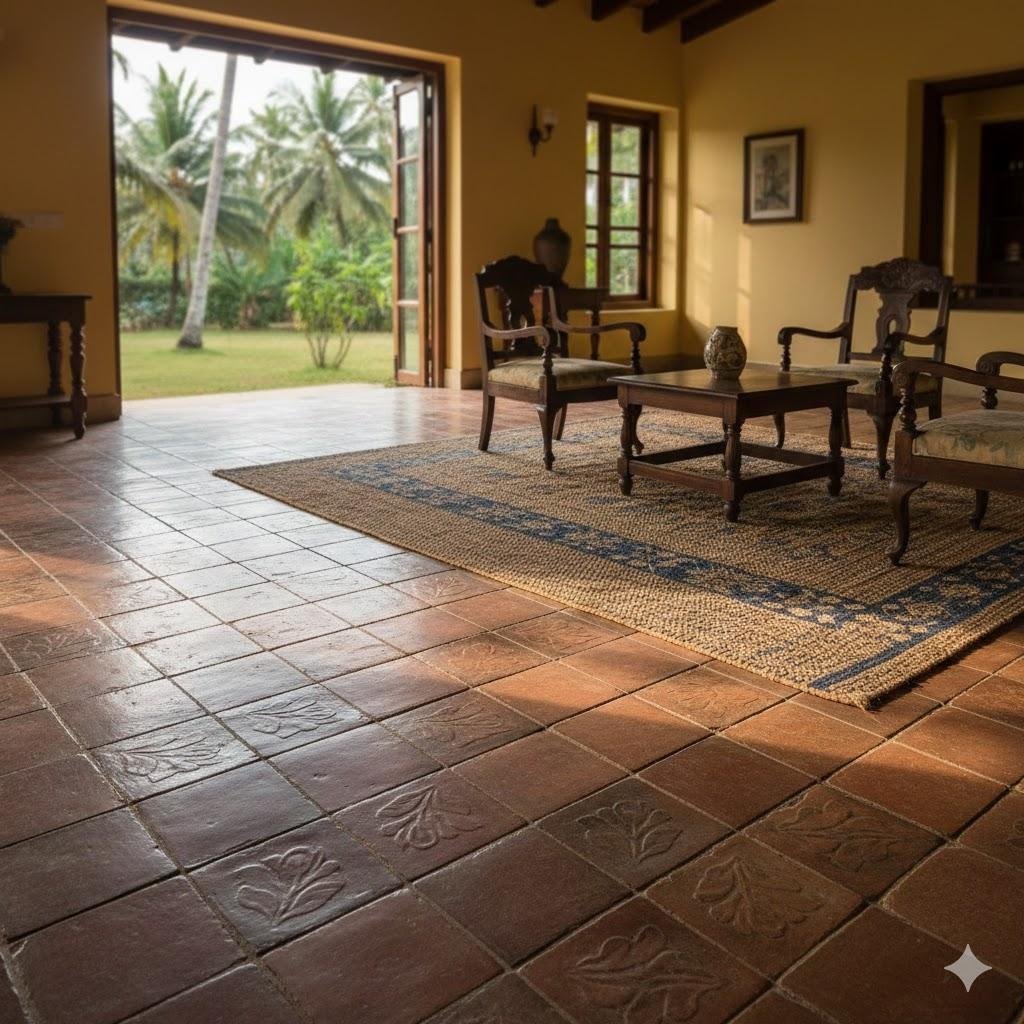 Indoor Tiles
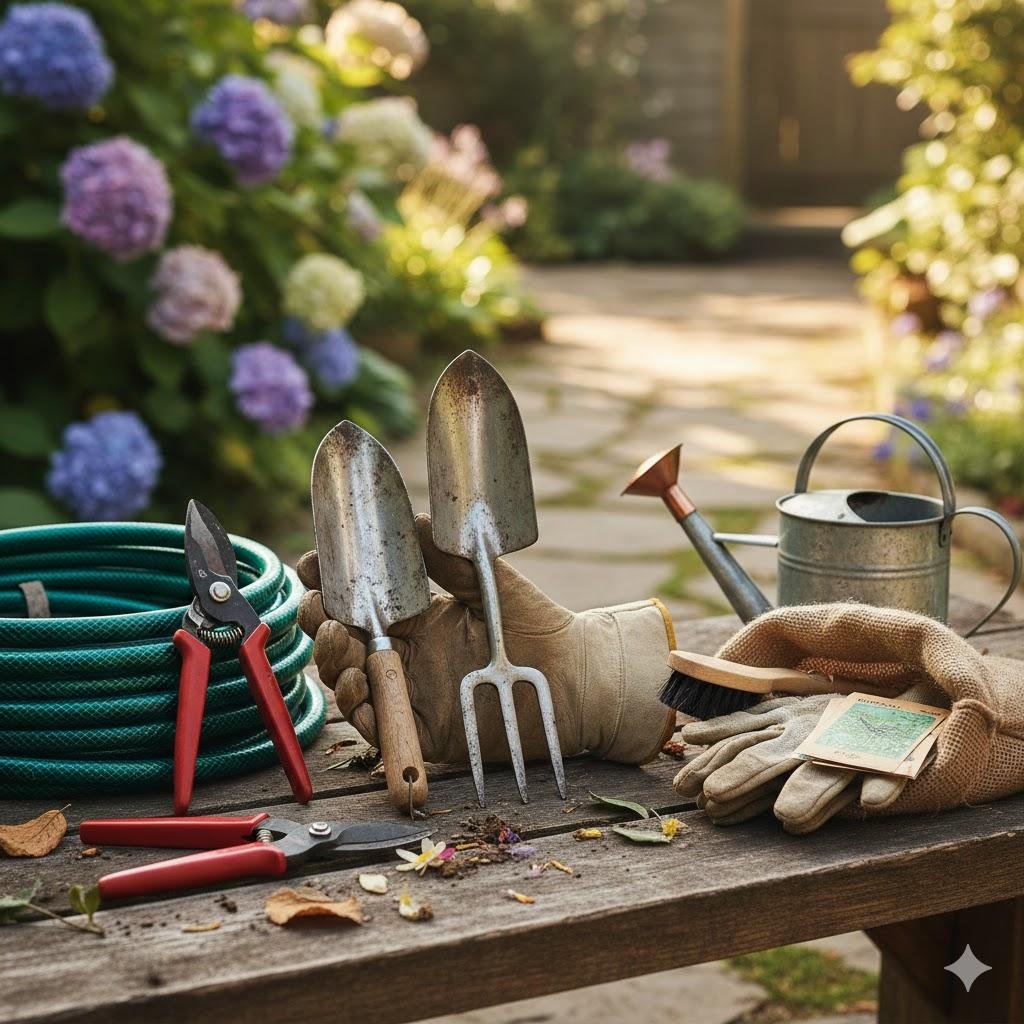 Garden Tools
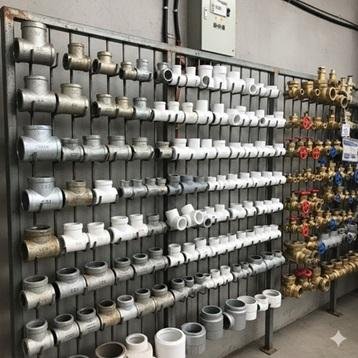 Pipe Fittings







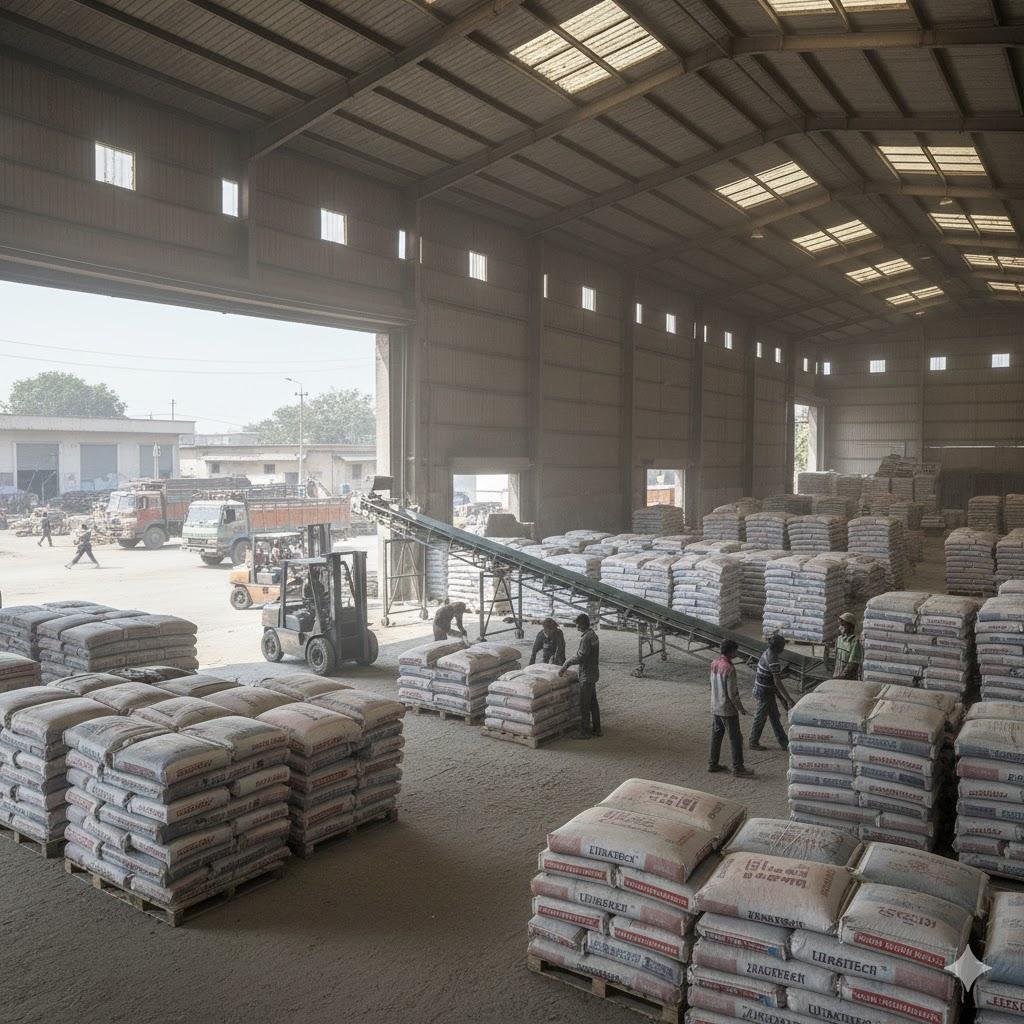
OPC (Ordinary Portland Cement)
What it is:
Made by grinding clinker with gypsum. It is a pure form of cement without additives.
Key characteristics:
- Higher early strength (sets and gains strength quickly)
- Faster setting and hardening
- Higher heat of hydration
- More suitable where quick strength is needed
Common uses:
- RCC works (columns, beams, slabs)
- Precast concrete
- Roads and pavements
- Projects requiring fast construction
Advantages:
- Early strength helps quick shuttering removal
- Predictable performance
Limitations:
- More prone to cracks due to heat
- Less durable in aggressive environments
- Slightly higher cost than PPC
PPC (Portland Pozzolana Cement)
What it is:
OPC blended with pozzolanic materials like fly ash or volcanic ash.
Key characteristics:
- Slower early strength, but higher long-term strength
- Lower heat of hydration
- Better workability and durability
- Higher resistance to chemicals
Common uses:
- Residential house construction
- Mass concrete works
- Plastering and masonry
- Coastal and damp areas
Advantages:
- Reduced cracking
- Better finish in plastering
- More durable and eco-friendly
Limitations:
- Not ideal where early strength is critical
- Slightly longer curing time required